1. PREPARE NOTICE OF APPEAL/ PETITION
If you disagree with the decision from the Immigration Department, you have 14 days from the date of the notice to appeal. To appeal, you need to prepare and submit a Notice of Appeal/Petition to the Appeal Board, along with a copy of your Immigration Decision and any supporting documents.
If you made a claim with your partner and/or children, you will need to submit a separate Notice of Appeal/Petition for each family member.
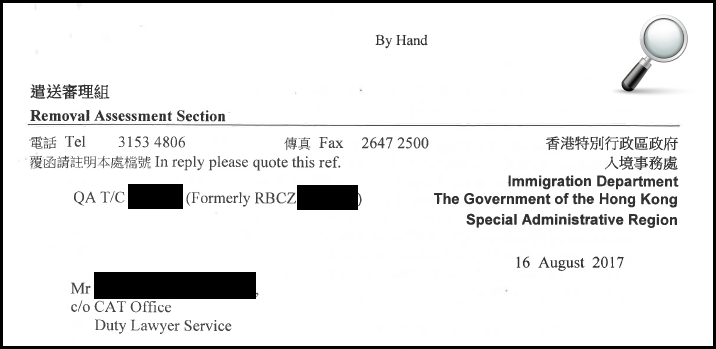
This is what an Immigration Decision looks like:
How do I fill in a Notice of Appeal/Petition?
You can download a Notice of Appeal/Petition here.
There are six sections that must be completed in the Notice of Appeal/Petition.
-
Fill in your personal details in this section. Provide your current address where you can securely receive mail. If you move or change address after filing your Notice of Appeal/Petition, you should inform the Appeal Board in writing as soon as possible. This is very important.
-
Write your grounds of appeal in this section and list any new evidence or information.
I. Grounds of Appeal/Petition
State why you disagree with the Immigration Decision. This should include the details of any mistakes the Immigration Department has made in understanding, considering and refusing your claim. Add as much detail as possible, and be specific.
For example:
ㅤ- If you have had problems understanding the interpreter, your lawyer or the immigration officer, please describe the problems and how they affected your ability to explain your case.
ㅤ- If the Immigration Department misunderstood the facts of your case, point this out and clearly state the correct facts. Explain how these mistakes were made, if you can.
ㅤ- If the Immigration Department ignored key facts, evidence or other aspects of your case, point this out and clearly state why those are important.
ㅤ- If you cannot remember things clearly, especially traumatic events, explain the problems you have with your memory.
ㅤ- If you have a child or children, you should explain why your child would be at risk of harm, based on facts specific to them.
II. New Evidence
Give details of any new evidence or information in this section. Explain
ㅤ- What the evidence is.
ㅤ- How the evidence supports your case.
ㅤ- How you obtained the evidence and why you did not submit the evidence to the Immigration Department before now. You should explain any steps you had taken to try to obtain and provide the evidence to an immigration officer.
Submit a copy of the new evidence with the Notice of Appeal/Petition.
It might be difficult to gather new evidence within the 14-day deadline to appeal, but you must not delay filing your appeal. If you are trying to obtain new evidence or information, you can state, "I reserve the right to submit additional evidence, information or submissions."
If you do not submit new evidence with your Notice of Appeal/Petition, it is very important to submit new evidence within 7 days after you file your Notice of Appeal/Petition. See more information in Step 3. Submit New Evidence.
New evidence can be anything that supports your claim. For example:
ㅤ- A supplemental statement: a written document explaining your experiences from your perspective, stating any new facts or information that directly relates to your case.
ㅤ- Witness statement(s): statements from anyone who has witnessed incidents related to your case or is otherwise able to confirm what happened to you.
ㅤ- Documentary evidence: any records that support or are relevant to your claim (for example, police reports, medical records etc.)
ㅤ- Country of origin information: news articles and reports about your country, which are relevant to why you are afraid to return.
-
If you have a lawyer, you must select "Yes" and provide their contact details.
-
If you have any Witnesses who are willing to give written and oral evidence to support your claim, you should state their details in this section. You should also indicate whether your Witnesses need an interpreter, and if so, specify the language/dialect.
If you do not currently have any Witnesses, you should select "No".
If you find a Witness to support your claim after you have filed your Notice of Appeal/Petition, you can write to the Appeal Board to seek permission to call the Witness at a later date.
-
You will only need to complete this section if you have missed the 14-day deadline after receiving the decision from the Immigration Department to file the Notice of Appeal/Petition. For more information, please see the information below.
If you are filing your Notice of Appeal/Petition within the 14-day deadline, you do not need to complete this section.
-
You must sign and state your name and date. By doing so, you declare that:
ㅤ- The information you have given in the Notice of Appeal/Petition is correct;
ㅤ- You understand that your appeal might be decided without a hearing; and
ㅤ- You will notify the Appeal Board about any change in your contact details.
What should I do if I missed the appeal deadline?
If you file the Notice of Appeal/Petition more than 14 days after the date of the Immigration Decision, you must explain why you are appealing late in section 5 of the Notice of Appeal/Petition. It is very important that you try to provide supporting documents to help explain why you missed the deadline.
For example, if you were very sick, you should explain what illness you were suffering from, how long you were affected for, and the medical treatment you received. You should try to provide evidence of your sickness, such as a medical certificate.
Your appeal may be refused without a hearing if you do not provide a very good reason for submitting your Notice of Appeal/Petition late.
Hong Kong Asylum Guide
Table of Content
Apply
1. Prepare Written Signification
2. Deliver Written Signification
3. Receive Recognizance Document
4. Attend Briefing Session
5. Prepare Non-Refoulement Claim Form
6. Attend Screening Intervention
7. Receive Decision
Appeal
1. Prepare Notice of Appeal
2. Submit Notice of Appeal
3. Submit New Evidence
4. Receive Notice of Hearing
5. Attend Appeal Hearing
6. Receive Appeal Decision