When people understand their rights, they’re better able to make informed decisions and seek the protection they’re entitled to. For many in displaced communities, the first point of contact for information and support is not a lawyer or NGO—but a trusted peer. That’s why a community-based approach matters.
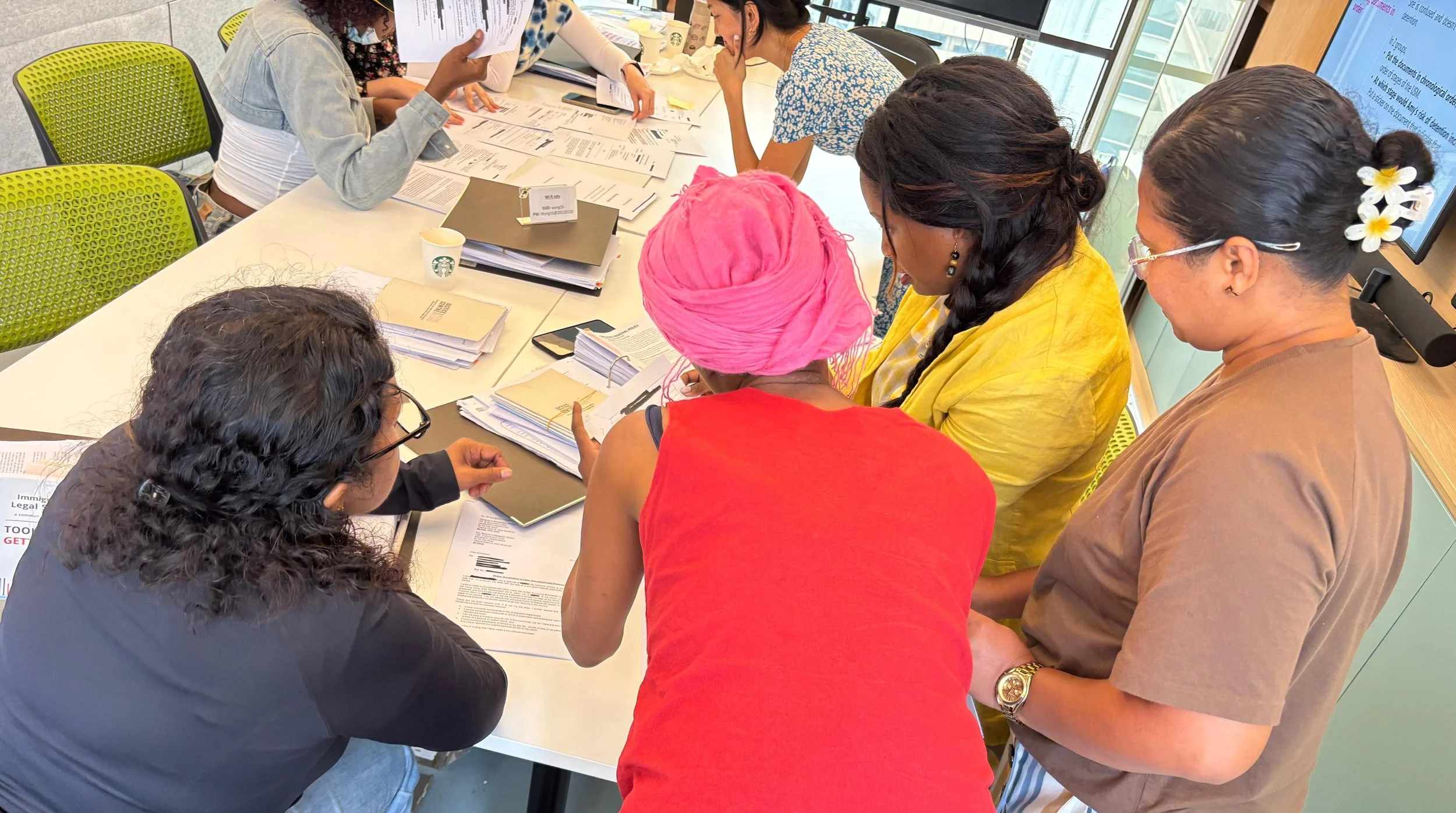
Humanity Seekers and Justice Centre are thrilled to have launched Paralegals for Protection—a pilot project training refugee women to become community-based paralegals, equipped with the knowledge and tools to support others in their community. While they will not offer legal advice, these women will act as trusted guides—sharing accurate information, helping peers understand their rights, and making referrals to legal or support services when needed.
The energy and commitment the seven participants bring to each session is a testament to both the need for this kind of initiative and the strength of community-led support.
The project builds on best practices from other global contexts, where community paralegals have helped make legal systems more accessible to displaced populations. It also responds to the unique challenges of Hong Kong, where people at risk of immigration detention often struggle to get timely legal information or support.
Co-designed with members of the refugee community, Paralegals for Protection is both practical and empowering. Participants receive training on the legal framework surrounding detention, community engagement, and safe, ethical ways to support others. They will also co-lead workshops, helping to share reliable information with a wider audience.
This initiative reflects our broader strategy to improve access to justice—not just through casework, but by strengthening the ecosystem of support around displaced people. By building capacity within communities, we help ensure that legal protection is not only available, but understood and navigable.
We look forward to sharing updates from the programme as it develops, and to learning from the women who are stepping forward to support their communities in new ways.